
















At first he won small amounts. Then, as the losses piled up, he was topping up accounts with money meant for groceries and transport.
The trap of a small wins
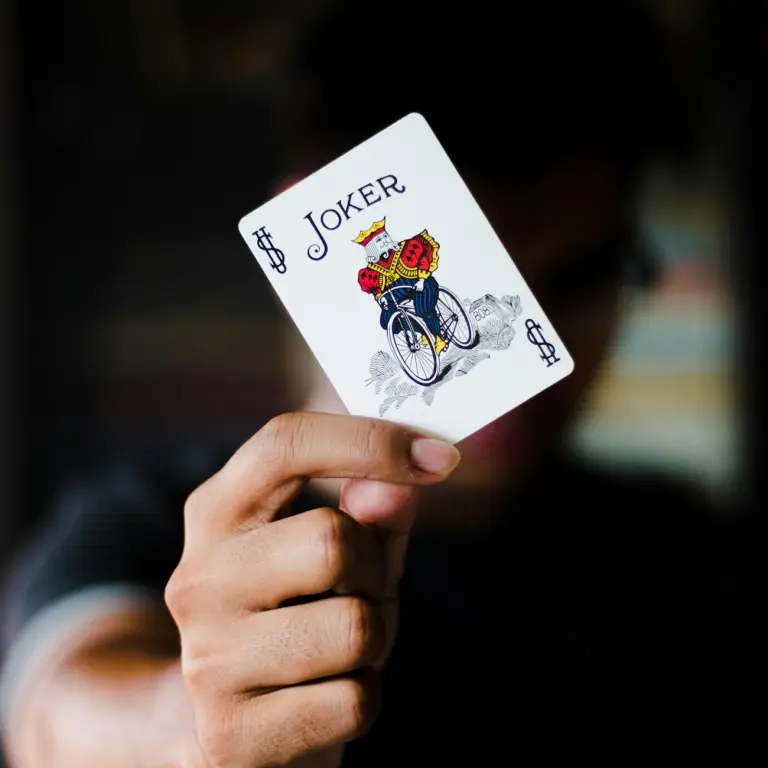
But gambling researchers warn about “the money spiral of death” – a cycle where small wins keep you hooked while the overall losses grow. Adrian and Jonathan Parke who studied online sports betting, and described how people bet until their pockets run dry, then keep betting anyway to “win back” what they had lost.
Near-misses make it worse. You almost hit a six-leg multi. You were “one goal away” from a massive cash-out. That feeling of being close triggers another deposit, and another, and another.
Over time, the emotional toll can be brutal:
• Constant stress about money
• Hiding bank statements or screenshots from family and partners
• Lying about what the money was “really” for
• Anxiety, insomnia, depression and, in some cases, suicidal thoughts
“I gamble because I’m trying to escape,” says Owam*, a young student who started betting while dealing with family conflict at home. “It’s easier to stress about money than to stress about people who are always fighting.”
The problem is that he now has both kinds of stress – the emotional drama and the empty wallet.
Mario admits, “At some point you have to ask, ‘Is this really a hustle, or is it hustling me?’ I’d rather be broke and peaceful than broke and addicted.”
Breaking the shame and silence
So what actually helps? Ramasamy says the first step is dropping the shame.
“Betting thrives in silence,” she says.
“If your gambling is affecting your mood, your sleep, your studies or your relationships, it’s not just ‘fun’ anymore. It’s okay to say, ‘I need help’.”
On campus, most universities have student counselling services where you can talk about money-stress, addiction and mental health confidentially and for free.
Some campuses are starting student-led campaigns like #BettingBreak, where young people share honest stories about losing money and rebuilding their lives.
“Having someone say, ‘Yeah, me too – I’ve been there,’ makes a huge difference,” says Seluleko*. “It turns gambling from a secret into something you can actually work on.”
She advises people feeling trapped to speak to a friend, cousin, mentor, counsellor or lecturer – saying the number out loud (“I’ve lost R2 000 this month”) can be a shock in the best way. It turns vague guilt into a clear starting point.

Make it harder to bet. Delete betting apps, block gambling sites on your phone, and avoid hanging out in “betting spots” like certain shisa nyamas or campus corners where everyone is on Hollywoodbets.
The dopamine hit from “almost winning” is real. Swap that rush for something healthier – sport, gym, gaming with spending limits, creative hobbies or campus societies – to give your brain a new groove.
If you are not ready to quit completely, cap yourself strictly (for example, “R50 a week, never on NSFAS money or rent”). Write it down. Ask a friend to hold you accountable.
Professional help is available. The South African Depression and Anxiety Group (SADAG) runs a 24-hour Cipla Mental Health Helpline on 0800 456 789, plus WhatsApp support lines and a Substance Abuse Helpline on 0800 12 13 14.
The National Responsible Gambling Programme also offers a 24-hour counselling line on 0800 006 008 for people struggling with gambling.
*Student surnames were omitted to protect their identities.
Article and Image: https://khulani.me/2025/12/10/online-gambling-becomes-silent-epidemic-amongst-students/


