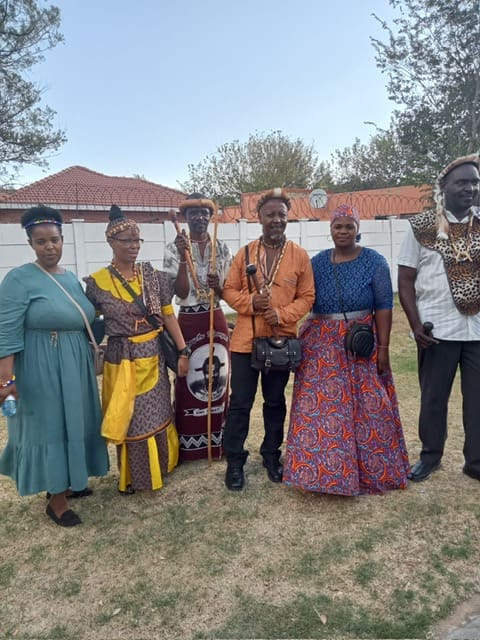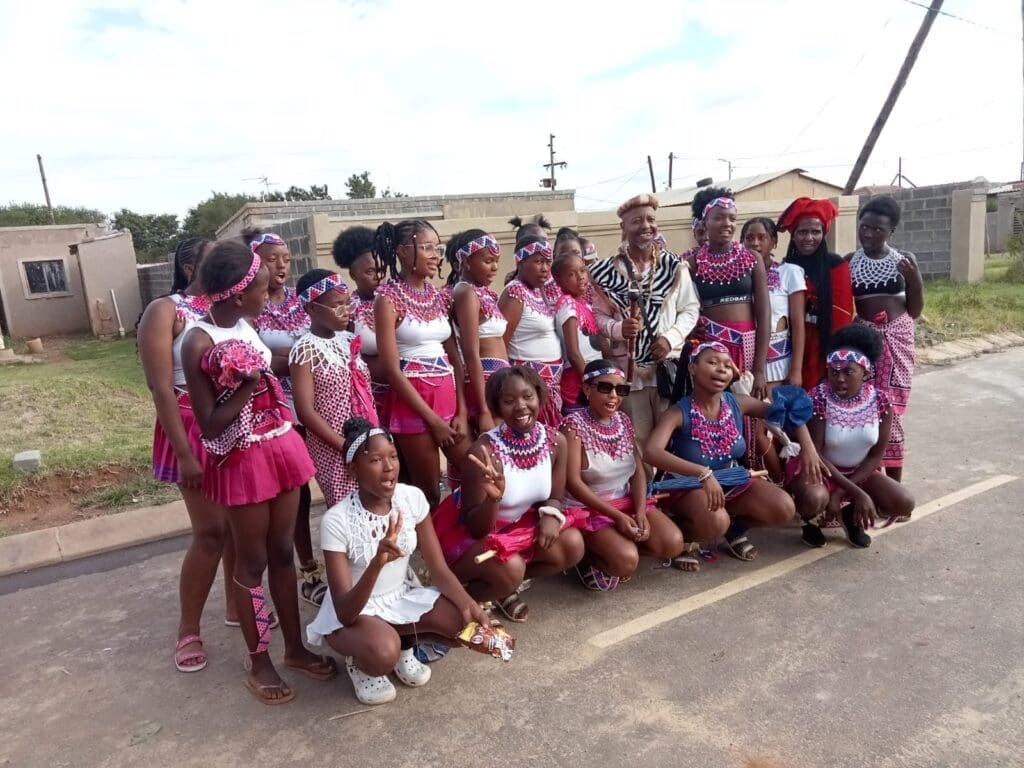













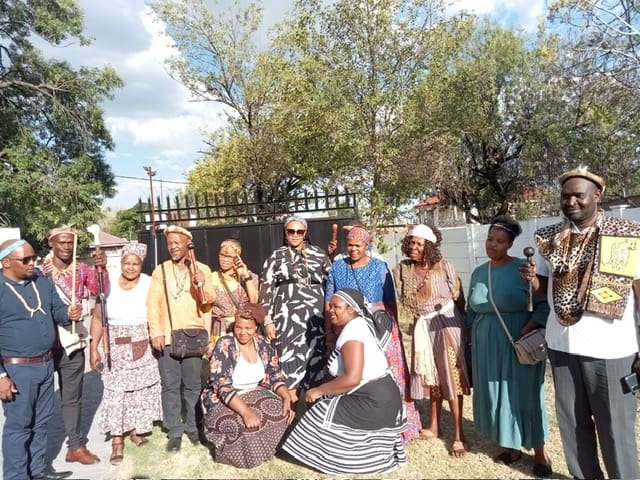
The local royal house, based in Drieziek Proper, continues to play a vital and respected role in preserving cultural heritage, strengthening community unity, and supporting local development initiatives in Ezinyosini.
Senior Chief Nkululeko Xaba explained that one of the main responsibilities of the royal house is to reconnect the community with its roots through the teaching of izithakazelo (clan praises). This cultural work is seen as an important way of restoring identity, pride, and unity among community members, especially the youth.
The royal house is also involved in several community development projects at Ezinyosini kraal, which aim to uplift residents and create opportunities within the area. These initiatives are driven by a commitment to both cultural preservation and practical community improvement.
“The role that the royal house plays is to take the community back to its roots by teaching izithakazelo. We have many projects at Ezinyosini kraal,” Xaba said.
However, the royal house has expressed concern about limited recognition from both the community and government structures, despite being officially commissioned in 2021. According to leadership, this lack of recognition continues to affect the visibility and support of their work.
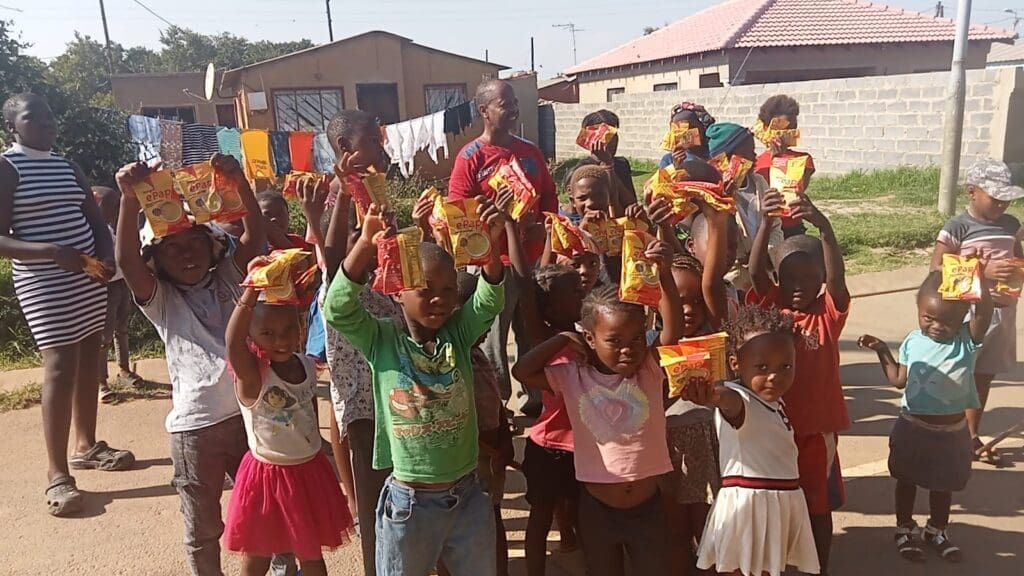
Cultural education remains a key focus area, with the royal house actively teaching young people about their izithakazelo and ancestral identity. They also run traditional youth structures such as amabutho and amantshitshi, which are used to instil discipline, respect, responsibility, and cultural pride among young people.
“It’s easy to walk if you know yourself,” Xaba emphasized, highlighting the importance of self-identity and cultural awareness.
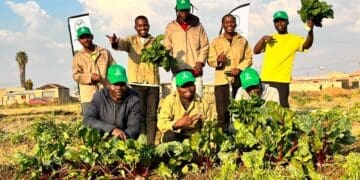
In terms of development, the royal house currently oversees five active projects in Ezinyosini. One of the most impactful initiatives is a recycling project that transforms waste materials into useful resources, promoting environmental sustainability while also contributing to local economic activity and awareness around cleanliness.
Beyond environmental and cultural work, the royal house is also involved in social welfare support. Ndlunkulu provides assistance at a local clinic every Tuesday, where elderly people and pregnant women receive care, guidance, and support during their visits.
In addition, community outreach extends to youth engagement activities. Every Sunday, children are taken around the streets for organised clean-up campaigns. This initiative is aimed at teaching them discipline, responsibility, and the importance of maintaining a clean environment from a young age.
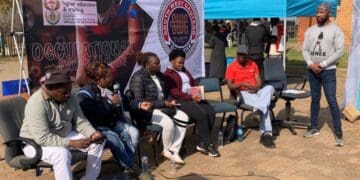
The royal house also works closely with the City of Johannesburg and participates in local governance structures, including Region G engagements. These platforms help strengthen cooperation between traditional leadership and municipal structures in addressing community needs.
Through a combination of cultural preservation, social support, environmental initiatives, and active community engagement, the royal house continues to play a meaningful and growing role in shaping a more united and empowered Ezinyosini community.