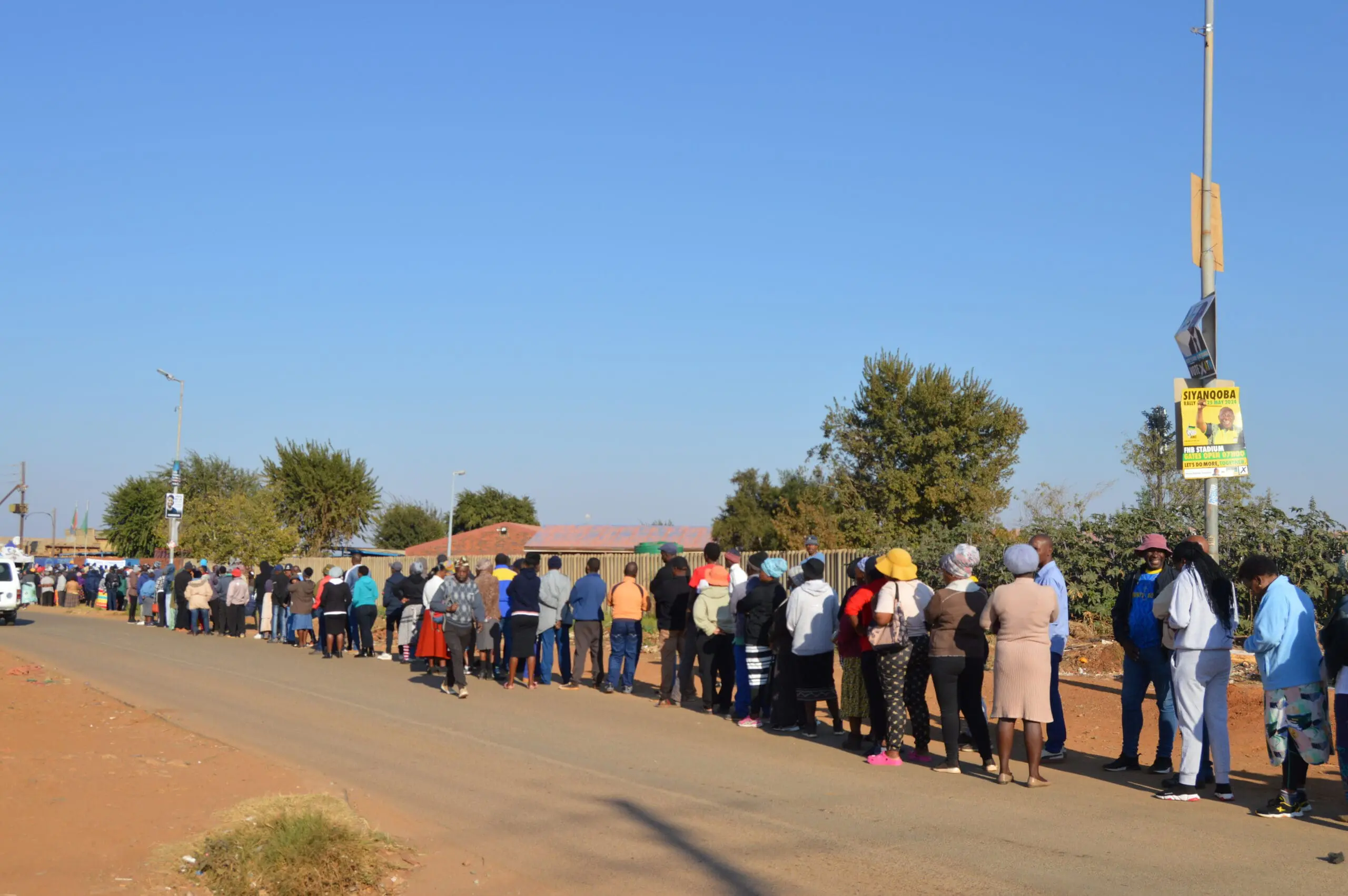
With the 2026 Local Government Elections behind us, attention now turns to the transition process and what lies ahead for municipalities as they move into a new chapter of local governance. The South African Local Government Association (SALGA) has highlighted the responsibilities municipalities must fulfil during the transition period to ensure that changes in political leadership do not disrupt municipal operations and service delivery.
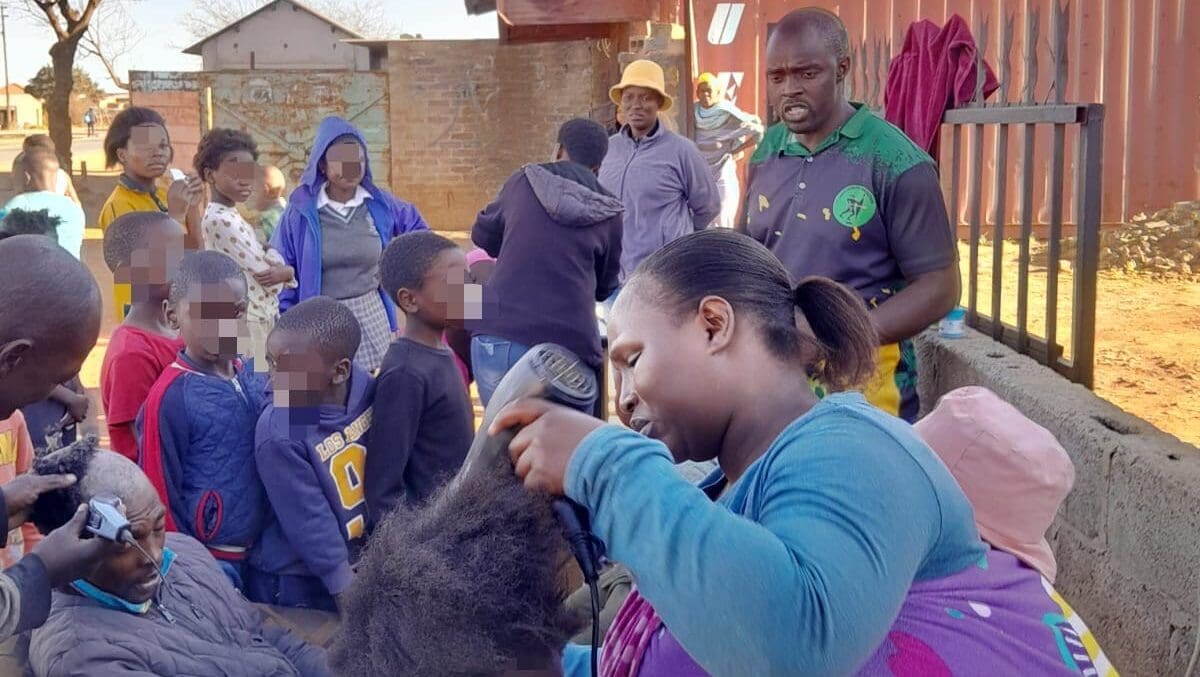
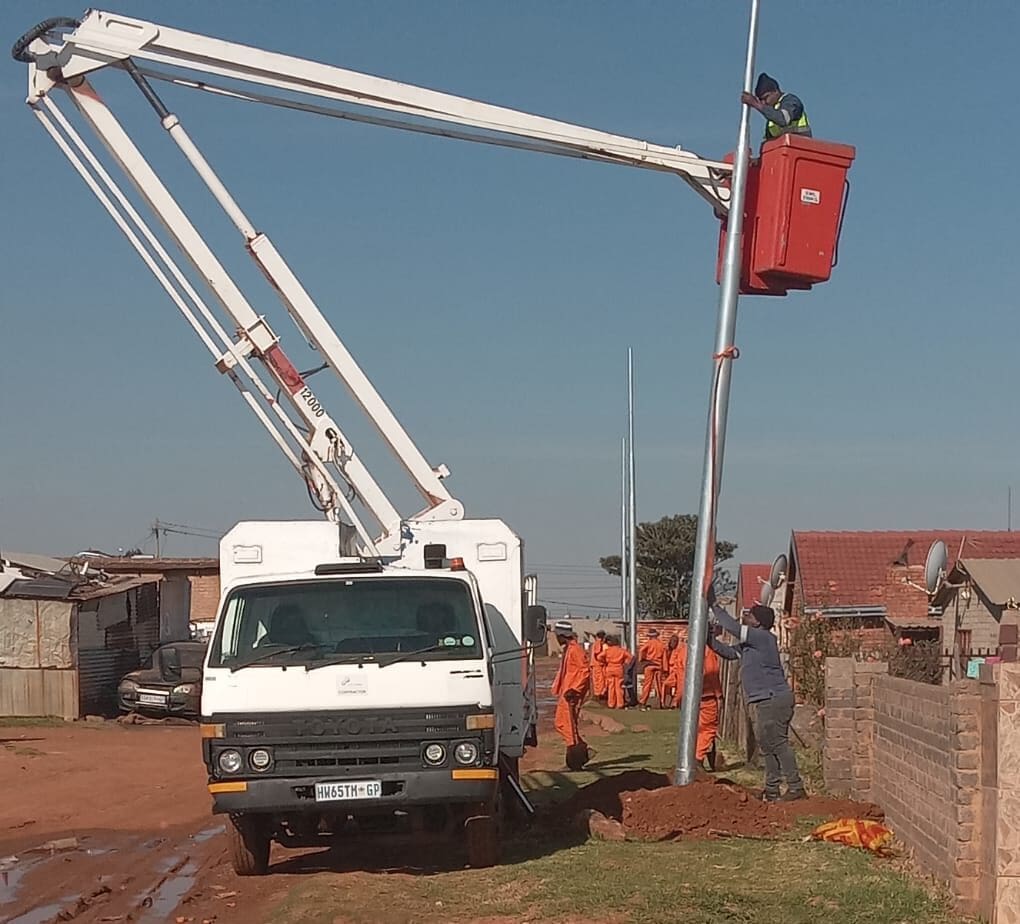
One of the biggest priorities is ensuring that essential services continue uninterrupted. Residents still depend on municipalities for water, electricity, refuse removal, road maintenance and other basic services, regardless of the outcome of the elections.

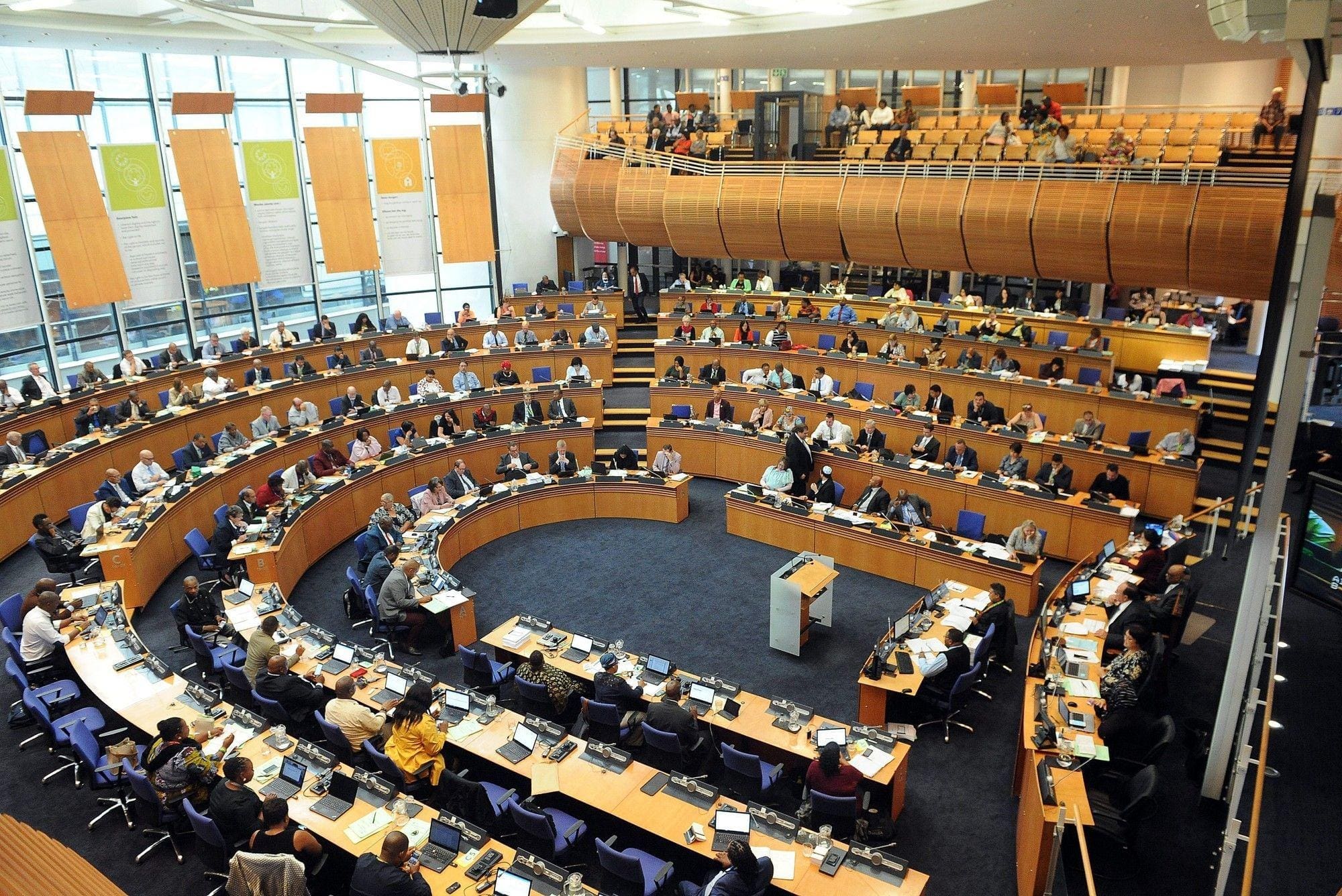
SALGA emphasises that municipalities must maintain proper governance structures, prepare comprehensive handover reports, support the electoral processes and ensure continuity in financial management and audit processes. Outgoing councils are also expected to exercise caution when making decisions that could unnecessarily commit incoming councils to certain arrangements or limit their ability to implement their own plans.
The transition period is therefore important in ensuring that newly elected councillors and incoming councils receive the necessary information, records and administrative support to take over their responsibilities effectively. While the elections may have changed the political landscape in municipalities, the needs of communities remain the same. As the new municipal leadership takes shape, residents will be looking for more than promises. They will want to see accountability, improved services and meaningful action on the challenges affecting their communities. Ultimately, elections may change who leads a municipality, but the responsibility to serve its residents remains.