




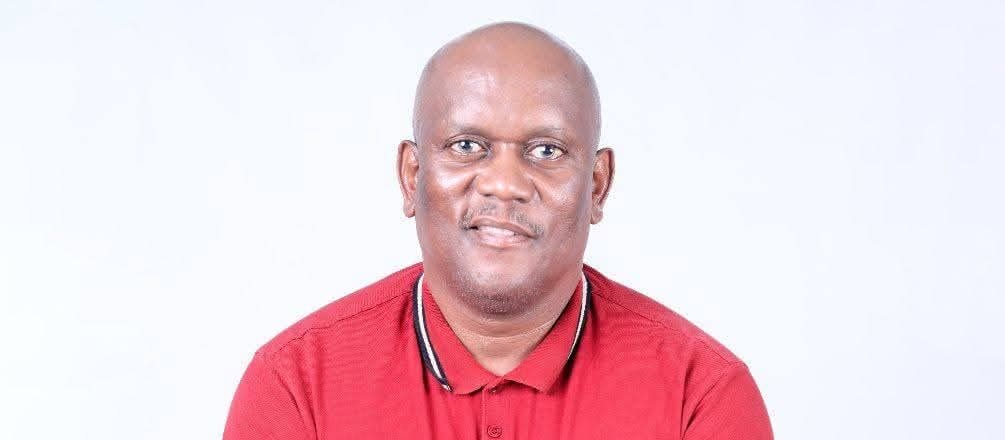
Vusi Cebekhulu, Managing Director of Amalinda Consultancy and host of the In Conversation with Amalinda podcast, shared…
As the annual 16 Days of Activism Against Violence on Women and Children begins. I wish to contribute to the ongoing national conversation about a crisis deeply entrenched in our society. Although the campaign runs for only 16 days due to its historical origins, violence against women and children remains a 365-day emergency. Far too often, women and children live in conditions resembling servitude in a democratic country-treated as though they are less than human in their own families and communities.
One of the major contributors to this ongoing tragedy is the existence of toxic masculinities. What troubles me most is how early these behaviours are taught to boys – long before they become men. From a young age, boys are encouraged to build physical strength and courage so they may “protect” their sisters and future wives. Strength and courage themselves are not harmful but, they become dangerous when tied to expectations that undermine a man’s emotional and physical wellbeing. The same is true for the idea of being a “provider”. Providing is honourable, yet when financial capability becomes the sole measure of masculinity, it creates pressure, shame, and despair.
As I often remind communities: A man’s dignity is not measured by his possessions but by his discipline, respect, responsibility, love, and care. Provision extends far beyond money. Helping with homework, offering guidance, supporting the household during stressful times – these are also forms of provision. Yet many men find themselves suffocating under unrealistic expectations, leading to depression, substance abuse, suicide, or imprisonment.
This is not to suggest that women are to blame for the violence committed against them, but certain social attitudes can indirectly reinforce harmful dynamics. Far too often, women and girls say a man without money is not masculine. When provision and protection are misunderstood, relationships can drift into unhealthy power imbalances where women gradually surrender autonomy and are treated as property. True empowerment requires women and girls to cultivate independence, confidence, and self-reliance.
Culturally and religiously, men have been socialised to see themselves as “protectors”. Many men I engage with feel pride in this identity. But the pressing question must be asked: protecting women from what, when the greatest danger to them is men themselves? There are no wild animals roaming our communities. The “wild animals” women fear are their partners, relatives, neighbours, and acquaintances. How can we claim the title of protector when those same women and children are most often protecting themselves from us?
As I have said before: I am a man – I reject being labelled a dog. But how can I justify that rejection if women and children continue to die in our name ? Mindset transformation among men and boys is urgently required. We must discard harmful beliefs and confront an uncomfortable truth: we are both the problem and the solution.
Violence against women and children remains one of the most pressing challenges of our time. It cuts across age, race, community and socioeconomic status. While statistics are alarming, they cannot describe the full devastation-broken families, lost dreams, intergenerational trauma. At its core, this violence is a violation of human rights. It is fuelled by harmful social norms, poverty, inadequate education, and institutional failures that leave victims unprotected.
Government must strengthen laws, improve enforcement, and ensure accessible, compassionate victim-support systems. Communities must challenge toxic social norms and intervene when abuse occurs. Schools must teach respect, equality, and non-violent conflict resolution from the earliest years. Survivors must be supported, not judged-their courage should inspire change, not be met with doubt or blame.
Eradicating violence requires collective commitment, empathy and action. Every individual, institution and community has a role to play. Only through unity and accountability can we build a society where women and children live without fear, and where dignity, respect and compassion form the foundation of our daily lives.