






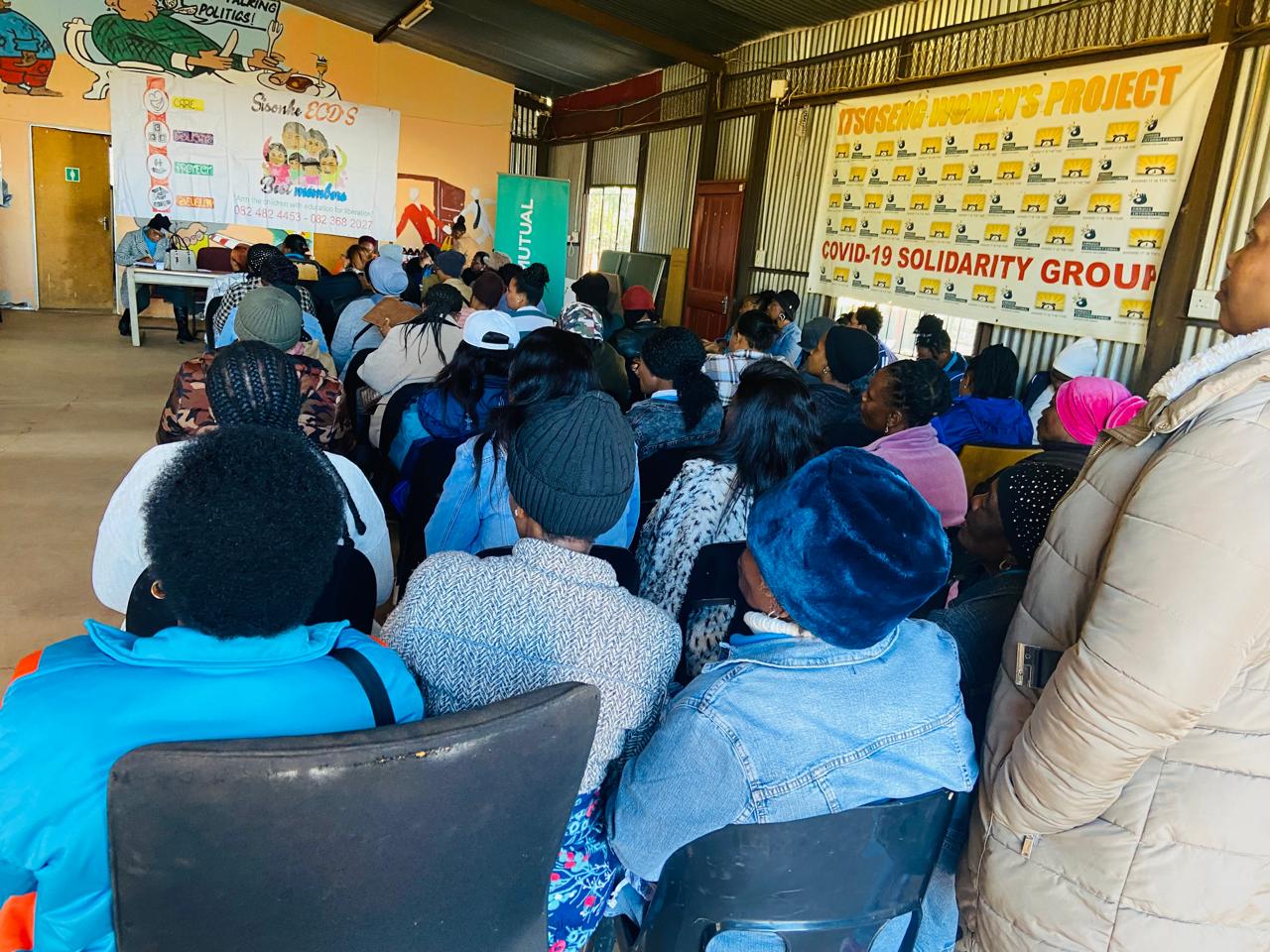













Property practitioner Mookho Mhlayivana has weighed in on the recent 2025 Budget Speech delivered by Finance Minister Enoch Godongwana, highlighting key changes that will impact South Africans, particularly those in township communities.
One of the major announcements was the planned increase in Value-Added Tax (VAT)-a change that could affect household budgets and the cost of living. What is VAT? VAT is a tax added to most goods and services we purchase. Currently, South Africa’s VAT rate stands at 15%, meaning that a portion of the price consumers pay for goods goes directly to the government.
This revenue is used to fund essential public services such as healthcare, education and infrastructure.
What’s changing? The government plans to increase VAT by 0.5% in 2025/26 and another 0.5% in 2026/27, bringing it to 16% by the end of 2026/27. This means that consumers will be paying more for everyday essentials.
How will this affect township communities? For many township households already struggling with high living costs, this increase will have a noticeable impact. Even a small VAT hike can add up over time. For example:If an item currently costs R100, the 15% VAT adds R15, making the total R115. With a 16% VAT, the tax increases to R16, raising the total price to R116. Although this might seem like a minor difference on individual purchases, over months and years, it can significantly affect family budgets.
How can we adapt? Mhlayivana encourages communities to stay informed, adjust spending habits, and explore additional income streams to navigate these changes.
“We need to be creative in this economy. It’s not just about being consumers anymore but becoming active participants in building a stronger township economy,” she said.
As VAT increases, residents may need to prioritise essential spending, find ways to save and consider entrepreneurship or side hustles to boost their income.
While the VAT increase is a challenge, it also serves as a reminder for township communities to take control of their financial futures. By making smarter financial decisions and supporting local businesses, they can contribute to a thriving economy that benefits everyone. As the changes take effect, the key to managing the impact lies in preparation, awareness and innovation.