











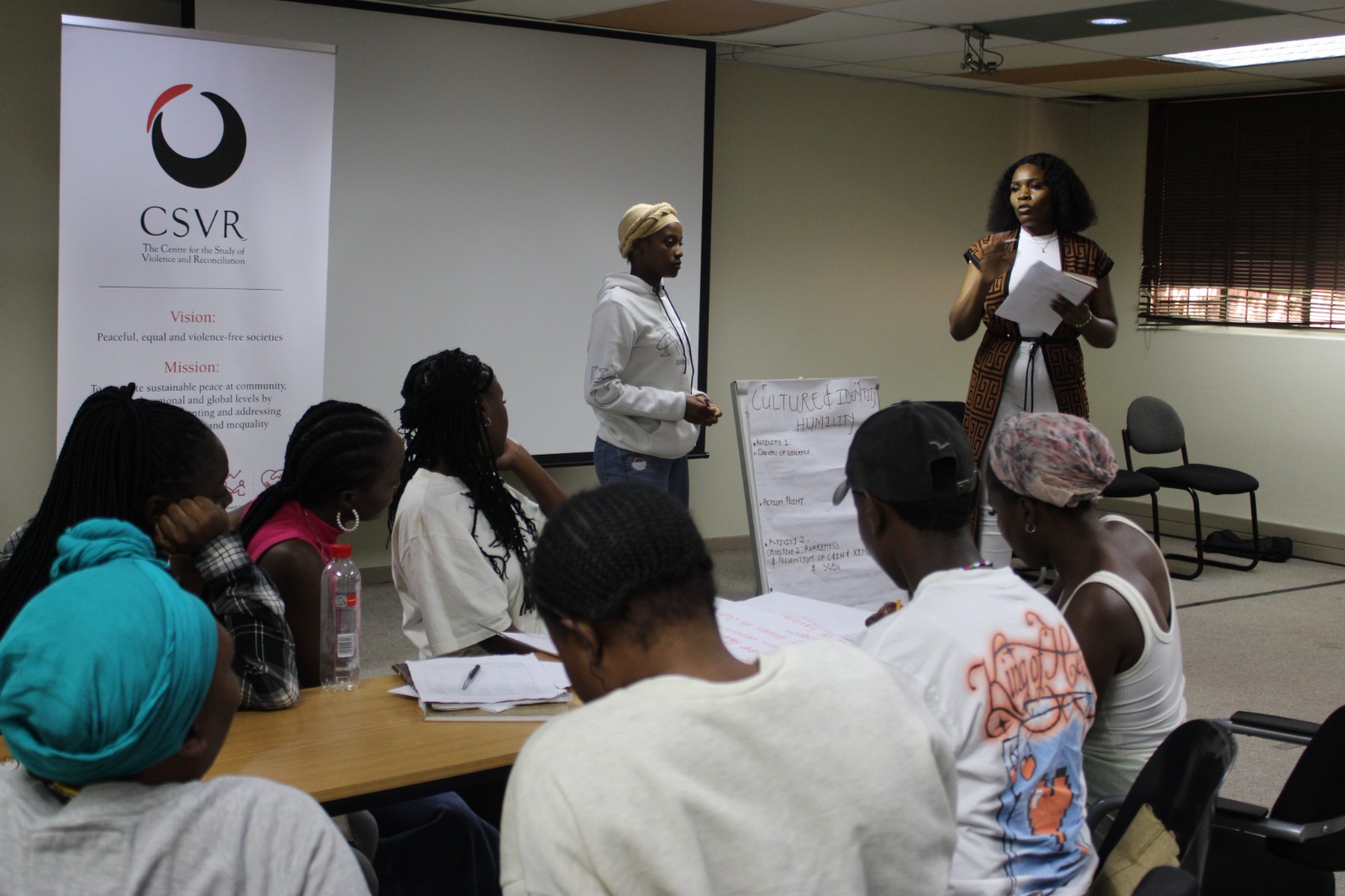
The Orange Farm community is taking meaningful steps toward building a more inclusive and peaceful community as the Centre for the Study of Violence and Reconciliation continues to lead efforts addressing violence, exclusion and xenophobia through its Making Migration Safe (MMS) project.
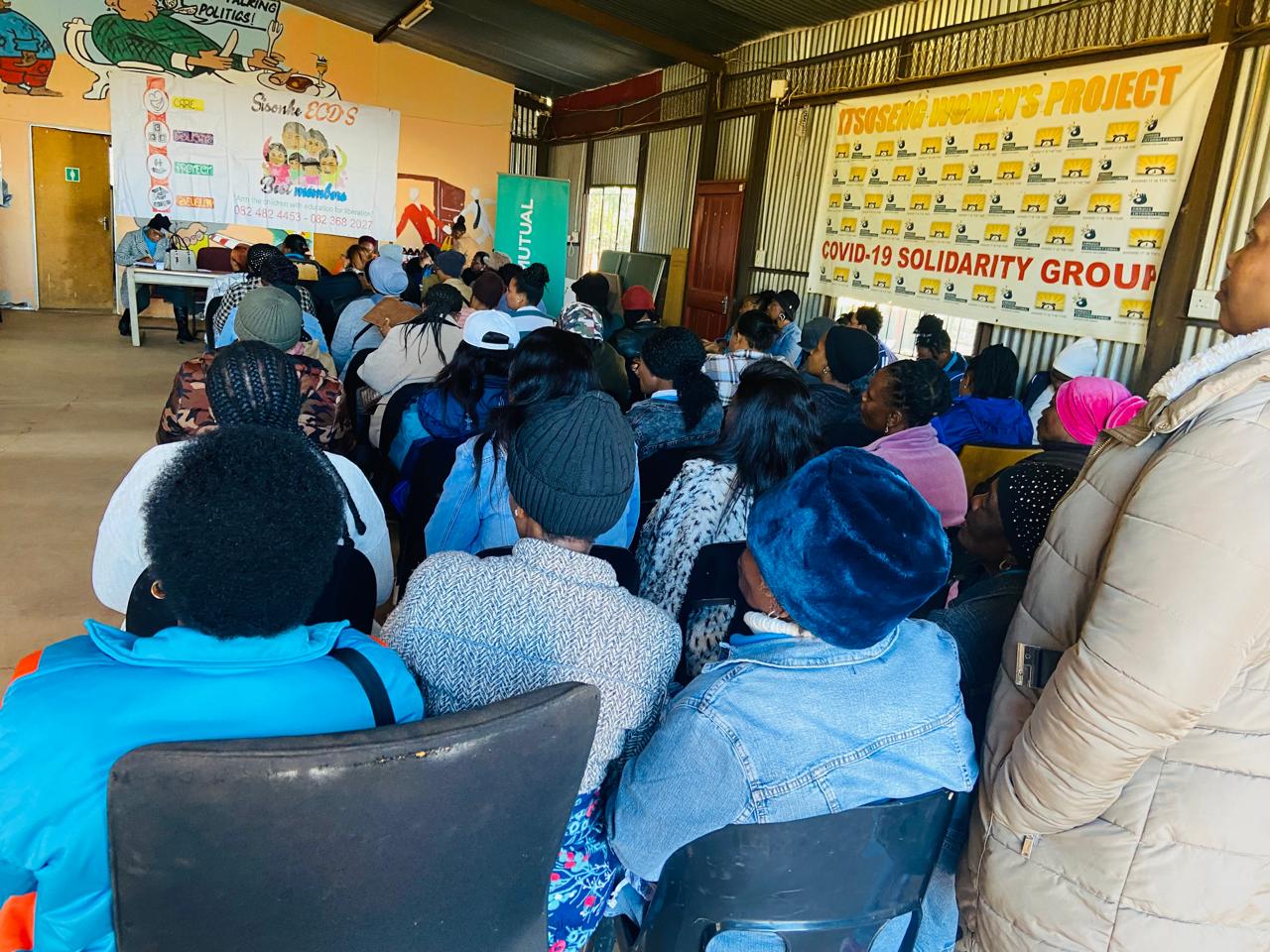
Last week, CSVR’s Gender Officer Lindokuhle Malambe, together with MHPSS Officer Elizabeth Zanele Zondo, led Violence Prevention and Inclusion Dialogues in Orange Farm, Mayfair and Sunnyside, bringing communities together to engage on some of the most pressing social challenges facing these areas.
The sessions focused on equipping residents with practical knowledge on violence prevention while also promoting greater understanding around migration. In communities like Orange Farm, where unemployment, poverty and limited access to services remain ongoing challenges, these conversations are critical in addressing the root causes of tension and conflict.
“Communities are not powerless in the face of violence and exclusion,” said Malambe. “When people are given safe spaces to engage, reflect and listen to one another, we begin to see shifts in attitudes, stronger relationships and a shared commitment to peaceful coexistence.”
She emphasised that many of the tensions are not simply about migration, but are deeply connected to broader socio-economic pressures. “What we are seeing is frustration driven by inequality and lack of opportunity. Without platforms for constructive dialogue, that frustration can easily be directed toward those seen as ‘outsiders’.”
Through structured dialogues, participants were encouraged to challenge harmful stereotypes, unpack misinformation and begin building trust across different groups. These engagements are complemented by healing circles, which focus on addressing trauma and restoring a sense of belonging among participants.
“Healing is a critical part of prevention,” Malambe explained. “If we don’t address the emotional and psychological impact of violence, it continues to shape how communities respond to one another.”
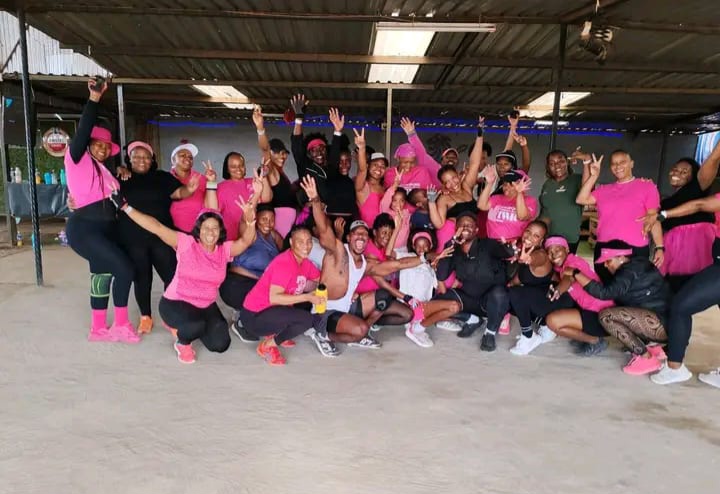
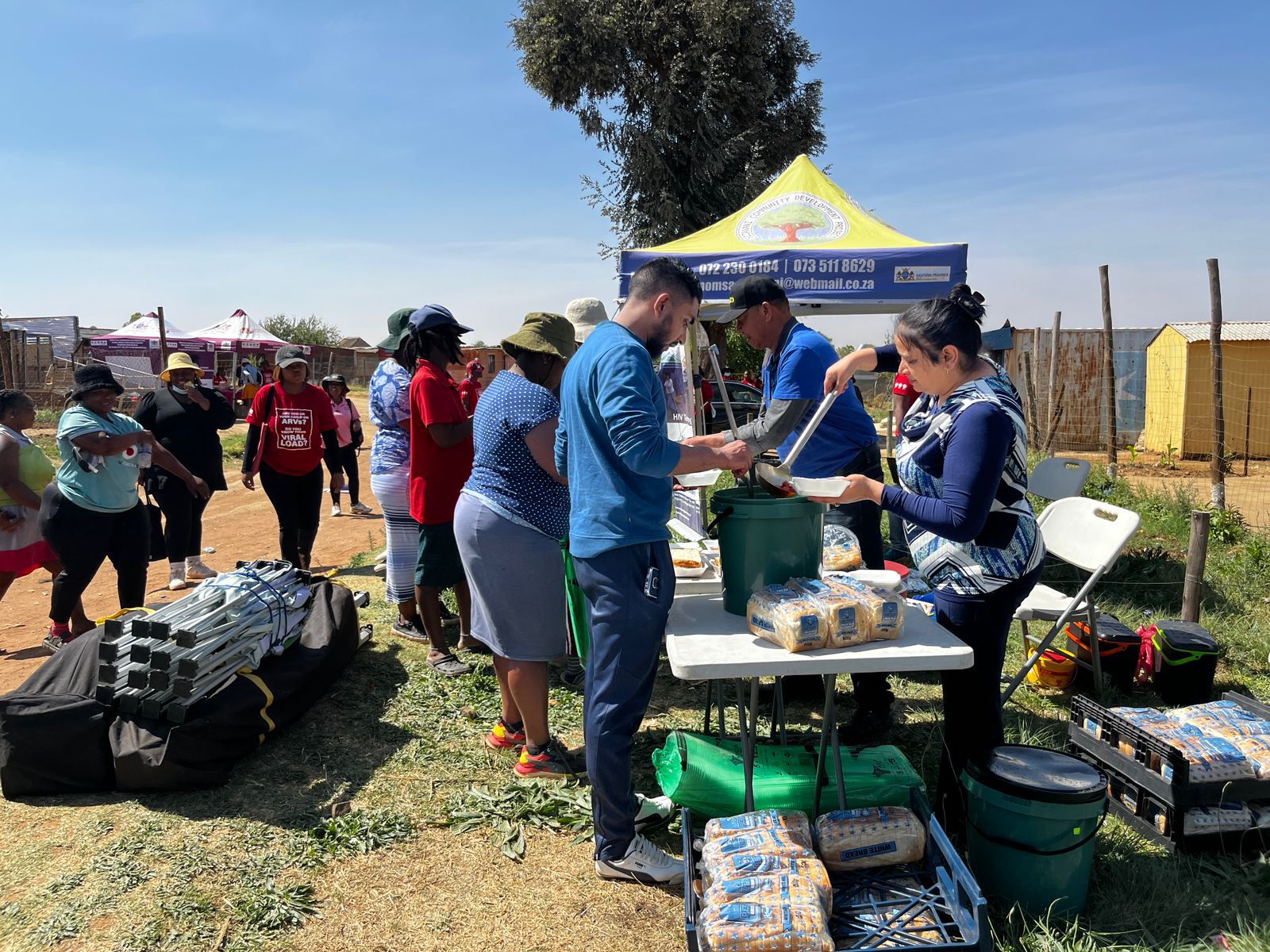
The initiative also places a strong emphasis on community-led solutions, supporting local leaders, youth and organisations to take ownership of interventions such as awareness campaigns, peer education and support networks. This approach ensures that solutions are relevant, sustainable and rooted in the lived realities of the community.
“It is important that communities lead the change,” Malambe added. “When people are part of designing the solutions, they are more likely to protect and sustain them.”
The project further provides psychosocial support to victims and survivors of violence, helping them cope with trauma while connecting them to essential services. This holistic approach recognises that building safer communities requires both prevention and care.
Early feedback from the sessions in Orange Farm and surrounding areas points to growing engagement, improved understanding and a willingness among residents to address tensions constructively. While challenges linked to poverty and inequality persist, the work led by CSVR is contributing to stronger social cohesion and more inclusive community spaces.
“The work we are doing shows that change is possible,” Malambe said. “When communities come together, speak openly and support one another, we begin to rebuild trust and create safer, more inclusive environments for everyone.”
Residents are encouraged to participate in ongoing dialogues and support local initiatives aimed at promoting inclusion and peaceful coexistence, as Orange Farm continues to position itself as a community actively working toward solutions.